Speakers

Alana Burns
Rachel Carling
Marianne Barr
Parallel session
Chair, Alana Burns
This session brings together leading experts in metabolic and biochemical sciences to explore advances and challenges in newborn screening, metabolomics, and lysosomal storage disorder diagnostics. Rachel Carling will share practical lessons from harmonising expanded newborn screening across multiple laboratories and platforms. Claire Hart will discuss the evolving landscape and potential clinical applications of metabolomics, including targeted, untargeted, functional, and lipidomic assays. Marianne Barr will focus on the diagnosis of lysosomal storage disorders using dried blood spot (DBS) analysis, highlighting current best practices and innovations.
The introduction of screening for Hereditary Tyrosinemia Type 1 (HT1) in England and the decision to implement a single commercial reagent kit presented a unique challenge: achieving analytical harmonisation across 13 laboratories operating 26 tandem mass spectrometers from multiple manufacturers. The strategy adopted during this national rollout covering nine analytes including succinylacetone.
A structured harmonisation process was applied following initial installation and verification. Relative response factors (RRFs) for each instrument were established in line with Manufacturer’s guidance. Succinylacetone posed the greatest challenge: interference from the methionine stable isotope label meant that the lower limit of quantitation on all instruments exceeded endogenous concentration and the screening cut-off value (1.7µM) had to account for this.
Post-harmonisation population data (n=23,929) were reviewed centrally and compared with historic data (n=139,553) from the previously used laboratory developed tests using centile analysis, separation margin, rain-shower and Q-Qplots. Whilst inter-laboratory variation improved for most analytes, significant variation was evident for succinylacetone (30% at 90th centile) although at higher concentrations this resolved (2.3 µM, 10%).
Maintaining harmonisation across England in the longer term is likely to be challenging. The absence of matrix matched certified reference materials for these ten analytes highlights the importance of establishing robust internal control processes, regular monitoring of 3rd party quality control materials and a collaborative governance framework.
Learning outcomes:
Around 25 years ago, researchers discovered that lysosomal enzyme activity remains remarkably stable in blood dried onto filter paper, opening the door to a simple and accessible method for diagnostic testing. Dried blood spots (DBS) require only a tiny volume of blood and are easy to collect, transport and store. This makes testing far more accessible, particularly for patients in remote locations.
The advantages of DBS are clear: they enable earlier diagnosis, broaden access to testing and reduce logistical challenges. However, accurate measurement relies on careful attention to key factors. Sample quality, drying and storage conditions, and biological variables such as white cell count can all influence enzyme activity. Awareness of these limitations is essential to ensure reliable results.
This talk will explore the journey of DBS in lysosomal enzyme diagnostics from its surprising discovery to its widespread expansion.
Learning outcomes:
Inherited metabolic disorders encompass a diverse and ever-expanding group of rare diseases, presenting at any time from prenatally to the ninth decade of life, with wide ranging phenotypic variability. Current methods for biochemical diagnosis, whilst being well understood and very powerful in many ways, are not always able to provide answers, and the time taken to work though many different targeted tests can be problematic at times.
Metabolomics methods have shown tremendous potential in the diagnosis of inherited metabolic disorders. As well as allowing the assessment of a patient for a far wider range of possible disorders in one test, they have also shown potential for shedding light on VUS findings from whole exome and whole genome sequencing (an increasing problem given the rise of genetic testing), and have also been used to provide novel disease diagnosis, enable new biomarker discovery, and to provide new mechanistic insights into known disorders.
This talk discusses the different methodological approaches (targeted, untargeted and functional), their potential, including their strengths and weaknesses, and how we might can use them to improve our existing biochemical genetic diagnostic services using some real-life examples.
Learning outcomes:
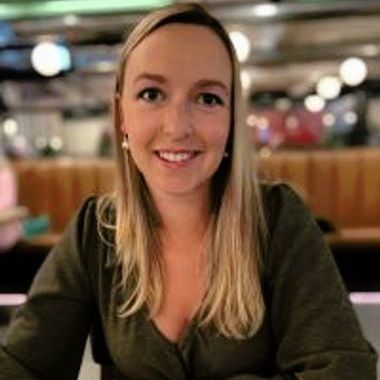
Alana Burns is a Principal clinical scientist at Queen Elizabeth University Hospital, Glasgow, specialising in metabolic medicine with expertise in lysosomal storage disorders, aminoacidopathies, and porphyrias. As a state-registered HCPC scientist, she ensures the clinical accuracy of biochemistry results in one of the UK largest hospital laboratories and supports the safe management of critical findings.
Alana holds a BSc (Hons) in Biomedical Science and a PhD in Cancer Biology from the University of Dundee, completed her Scientist Training Programme in 2018, and is working towards Fellowship of the Royal College of Pathologists. She is also an Honorary lecturer at the University of Strathclyde.
Alana has led the development of advanced assays, delivered international training in collaboration with Alexion, and pioneered integrated diagnostic packs for porphyria. Her dedication extends to active roles in national scientific committees, quality assurance, and mentoring, and she is recognised for her research contributions through multiple peer-reviewed publications and conference presentations
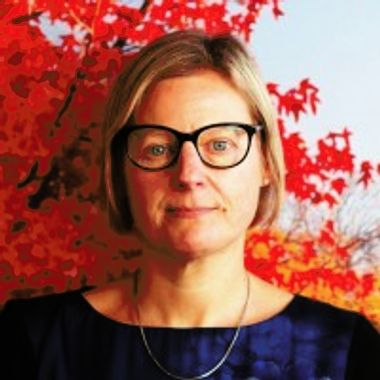
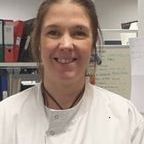
Rachel Carling graduated with a first class honours degree in Chemistry from Manchester University in 1996. She then gained a PhD in Analytical Chemistry before moving to Leeds and training as a Clinical biochemist. She chose to specialise in metabolic biochemistry because of her interest in analytical techniques and became one of eight Higher specialist trainees in Metabolic Biochemistry, obtaining FRCPath in 2007.
Rachel is now a Consultant clinical scientist at Synnovis, Guy’s & St Thomas’ Hospital where she is Director of South East Thames Regional Newborn Screening Laboratory, Scientific Head of Service and Clinical lead for Biochemical Sciences. She is also Chair of the UK Metabolic Biochemistry Network.
Her main area of interest is inherited metabolic disease with a particular focus on the application of tandem mass spectrometry to the measurement of small molecules. She is passionate about science, an advocate of A3 thinking and committed to service improvement.
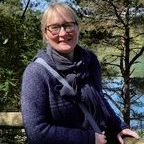
Marianne Barr is a Clinical biochemist at the Queen Elizabeth University Hospital (QEUH) in Glasgow, with a specialist interest in inherited metabolic disease.
Marianne studied Pharmacology at the University of Glasgow before completing a PhD investigating how genetic variation influences human hypertension.
In 2021, Marianne became the lead scientist responsible for the management of the lysosomal storage disorder diagnostic service at the QEUH and has played a key role in its expansion and improvement.
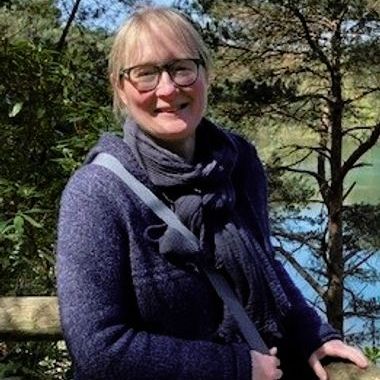
Claire Hart is the Lead clinical scientist for the Metabolic diagnostic service at Sheffield Children’s Hospital.
After completing Grade A training in Edinburgh, including a stint at the Royal Hospital for Sick Children where she first fell in love with metabolic biochemistry, she obtained her first permanent position at Sheffield Children’s Hospital. Here she gained significant experience of inborn error diagnosis and largely completed her professional qualifications, becoming FRCPath in 2008.
In 2007, she took the opportunity to move to Singapore to take up a position at KK Women’s and Children’s Hospital with the remit of setting up a metabolic service for Singapore.
After 4 years she handed over the reigns and returned to the UK, working firstly at the Willink Biochemical Genetics laboratory in Manchester before returning full circle to Sheffield Children’s in 2015. Since then she has consolidated her expertise in IEM diagnosis, specialising in peroxisomal, sterol and bile acid synthesis disorders in particular.
Having developed an increasing interest in metabolomics in IEM diagnosis she successfully applied for an NIHR Pre-doctoral fellowship which she has been undertaking part time since early 2025, with the aim of developing a PhD research proposal in the subject area and applying for NIHR Doctoral funding.