Speakers

Tejas Kelaria

Sarah Davies

Sophie Barnes

Parallel session
Chair, Tejas Kalaria
Primary aldosteronism (PA) is now recognised as a common and potentially curable cause of secondary hypertension, with prevalence estimates substantially higher than previously appreciated. Once thought to be rare, PA accounts for a significant proportion of patients with hypertension, particularly those with resistant disease or hypokalaemia. Nevertheless, the condition remains under-recognised and frequently undiagnosed in routine clinical practice.
Current diagnostic algorithms, typically based on screening with the aldosterone-to-renin ratio followed by confirmatory suppression testing, are often complex and inconsistently applied. In addition, rigid screening criteria may fail to identify patients with milder or normokalaemic disease. Improved understanding of the biological continuum of aldosterone excess has prompted reconsideration of established diagnostic thresholds and the traditional dichotomous classification into unilateral and bilateral subtypes.
Adrenal vein sampling (AVS) remains the reference standard for lateralisation and selection of surgical candidates, yet its technical complexity and limited availability restrict widespread use. Conventional anatomical imaging with CT or MRI frequently lacks sufficient discriminatory power, and interpretation may be confounded by the high prevalence of non-functioning adrenal incidentalomas. These limitations contribute to delays in definitive management and the underuse of potentially curative adrenalectomy.
Emerging non-invasive biomarkers and advances in molecular and functional imaging hold promise for simplifying diagnostic pathways and improving subtype classification. These developments may facilitate novel therapeutic approaches, including minimally invasive ablative techniques. Concurrently, there is increasing interest in broader and earlier screening strategies to mitigate the long-term cardiovascular and renal sequelae of sustained aldosterone excess.
As insights into the molecular and clinical spectrum of PA continue to expand, traditional diagnostic and management paradigms are being challenged. Integration of new technologies and revised strategies may be required to improve detection, personalise treatment, and optimise patient outcomes.
Learning outcomes:
The Renin Aldosterone Standardisation and Harmonisation group (RASH) are a collaborative group of Clinical Scientists, Chemical Pathologists, Clinical Endocrinologists, Endocrine Surgeons and Clinical Pharmacologists working to improve the detection of Primary Aldosteronism (PA) in the United Kingdom. This group was established in 2024 after a Lab Med Audit showed marked variation in UK practice.
Detection of PA can be problematic as patients are often on multiple antihypertensive agents when first tested. We have developed consensus guidelines to provide advice for non-specialists to ensure PA detection is as comprehensive and appropriate as possible.
Alongside the recently revised Endocrine Society guidelines, Sophie will present the first set of UK consensus guidelines and discuss some of the considerations around stability, medications, intra-individual variability, confounding factors etc. The talk will also share current and future areas for harmonisation that the RASH workstream intend to cover.
Learning outcomes:
RASH-UK (Renin and Aldosterone Standardisation and Harmonisation United Kingdom) group was established in 2024 following a LabMed United Kingdom-wide audit of the laboratory investigation of primary aldosteronism (doi: 10.1177/00045632251319984) which showed marked variation in practice across all stages of the diagnostic pathway. We are a multi-professional collaborative group of Clinical Scientists, Chemical Pathologists, Endocrinologists and other relevant specialists working to improve this.
RASH-UK Workstream One is principally focussed on analytical improvements. To this end, it has produced and distributed specimens (pooled patient material from both males and females across the analytical measuring interval) with Birmingham Quality for replicate analysis by liquid chromatography tandem mass spectrometry and chemiluminescence immunoassay on the major analytical platforms at assorted clinical laboratories within the UK. This aims to increase understanding of analytical differences and comparability between methods as a starting point for further harmonisation/standardisation efforts. Data from the first phase of experimental work will be presented as well as possible next steps for this working group.
Learning outcomes:

Tejas Kalaria is a Consultant in Chemical Pathology and Metabolic Medicine at Black Country Pathology Services, The Royal Wolverhampton NHS Trust, and Member young scientist on the European Federation of Clinical Chemistry and Laboratory Medicine (EFLM) post-analytical phase working group.
Dr Kalaria’s areas of interest include endocrine biochemistry and post-analytics.

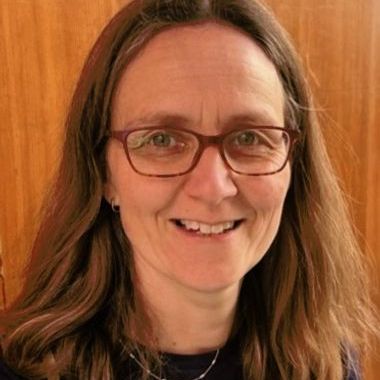
Sophie is a Consultant clinical scientist in Clinical Biochemistry at North West London Pathology.
Although she covers all areas of Clinical Biochemistry, Sophie specialises in aldosterone and renin analysis and interpretation.
She was appointed as Director of the Supra-Regional Assay Service (SAS) for renin and aldosterone in 2008 and chairs the SAS Endocrinology SubGroup.
More recently, she has been part of the Renin and Aldosterone Standardisation and Harmonisation group and had the pleasure of leading the clinical workstream.

His clinical & research interests are focused on pituitary, adrenal & thyroid disorders.
He serves on several national & international committees including: