Speakers

Cerys March

Lorna Jones

Lisa O'Fee
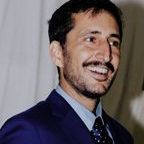
Parallel session
Chair, Cerys March
The NHS has made a commitment to reach Net Zero by 2040, and laboratories have a big part to play in that. Did you know one ultra-low temperature freezer uses the same energy as the average household over a year? We are surrounded by plastics – packaging, cuvettes and tips, but do we think about what happens when these break down in our environment. Microplastics are becoming something we cannot ignore, so come and find out what they are doing to our bodies. Then, we’ll introduce solutions to help labs become greener the easy way… saving money and the planet at the same time.
Plastics are part of daily life in the lab however the reliance on plastics leads to other potential downstream issues. The contribution to plastic waste which has the potential to lead to degradation into smaller particles, called microplastics (MPs). Microplastic exposure is currently occurring in humans within various systems. Exposure to MPs has links to inducing inflammation, metabolic dysfunction, DNA and cellular damage to name a few but also show to act as a vector of a range of organic and inorganic compounds. Which could result in people being at an increased risk of development of acute or chronic conditions. However, there is still more research to clarify endpoint affects in humans. The reduction on the reliance of plastics is required to help reduce the risk of exposure to MPs and so reduce the risk of associated hazards in humans.
Learning outcomes:
There is a growing interest in addressing the environmental sustainability of diagnostic laboratories. To support this, Greener NHS with support from UKRI has developed an open-access resource which allows labs and pathology units to be accredited, as well as access good practice examples and case studies. We'll share this resource, and provide some feedback from the initial pilot, as well as the direction of travel. We'll look at some of the impacts and how the international community is engaging on sustainable diagnostics as well.
Learning outcomes:
Healthcare sector activities, clinical care, preventative care, pharmaceutical and medical supply, and research and development have a significant environmental impact. It is estimated that the sector is responsible for 4.4% of global carbon emissions, predominantly driven by energy use and purchased goods and services.
The aims of this presentation are to raise awareness of the environmental impact of healthcare and to share knowledge and best practice to empower health professionals to make more informed decisions aligned with sustainability.
Acknowledging that every organisation is different, we will discuss practical projects and initiatives along with how to implement them, to reduce waste, water, and energy.
Learning outcomes:
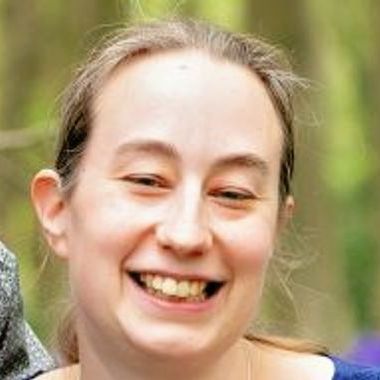
Cerys March is a Principal clinical scientist at the Royal Marsden, the leading specialist cancer hospital in the UK. She was one of the first STPs so has been working in biochemistry in the NHS for 13 years, training and working first at the Royal Surrey Hospital (within BSPS) in Guildford.
Before this she completed a PhD in Oncology, so is excited to now be working at the Royal Marsden where so much oncology research takes place.
Cerys and her young children are passionate about nature and she has appointed herself sustainability lead in blood sciences. This included setting up green forums both there and across the laboratories of RMH. She feels that she needs to shout about green issues to help other laboratories take their first steps to a sustainable future.
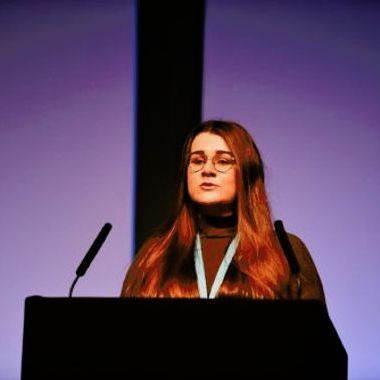
Lorna Jones has a keen interest in science and public health and how they link to identify hazards and their implications with risk to the public. She started this journey by completing a BSc in Biomedical Sceince at Bangor University in 2015 while taking a year out at Ysbyty Gwynedd to complete IBMS registration portfolio.
After, she was employed by Ysbyty Gwynedd in Biochemistry Department and then joined the Biochemistry Department at Royal Derby Hospital in 2016. During this time, she completed her Specialised IBMS Biochemistry portfolio in 2019 and then became a Specailst biomedical scientist.
Earlier this year, she completed a funded PhD investigating the potential toxicity associated with microplastics and human like gastrointestinal exposure in conjunction with UK Health Security Agency and Imperial College London.
From 2023 was employed as a Higher toxicologist in Toxicology department in Centre for Radiation, Chemical and Environmental Hazards at UK Health Security Agency.

Lisa O'Fee is a Sustainability advisor at the Institute of Cancer Research. A Biochemist by training, she has over twenty years of experience as a drug discovery scientist in the pharmaceutical and academic sciences sector.
Leading on sustainable science and procurement, her grass roots insight has streamlined sustainability efforts, bringing a realistic approach to lab sustainability and breaking down silos, to enable effective collaboration with estates and facilities to meet the ICR’s sustainability targets.
A co-investigator for one of the first MRC Environmental sustainability in life sciences and medical practice funded projects, she is collaborating with Professor Richard Murphy from the University of Surrey to carry out a life cycle assessment of common laboratory protocols. This project will provide data at the granular level, on the associated environmental impacts and areas where these can be reduced, allowing scientists to make more sustainable choices in the way they conduct their experiments, without compromising data quality.
The founder of ActNow, the ICR’s sustainability working group, Lisa has been an integral part of the team that put together the ICR’s sustainability action plan, ‘Sustainable Discoveries’, and strives to embed sustainability in the everyday, in the mission of making the discoveries to defeat cancer.
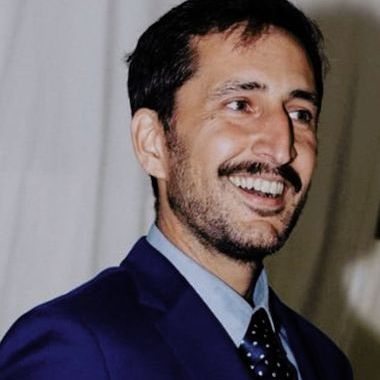
Martin Farley is the Associate director of Environmental Sustainability at UKRI.
He has worked extensively around sustainable research and developed the LEAF programme, and is currently leading UKRI’s SPARKHub.
He initiated sustainable science & laboratory programmes at Edinburgh, King’s College London, and UCL, and co-founded UKNSR.