Biochemistry training day
The UK NEQAS for Interpretative Comments Scheme began in 2001 with its main role to assess the quality and consistency of comments that would be appended to reports in the field of clinical biochemistry. We know how good the analytical performance is through EQA and we wanted to know how comparable the associated comments were, given that they are acted upon in the clinical domain and could have a direct impact on patient safety.
Since then, the Scheme has grown to over 500 participants covering the entire UK and is highly regarded by participants as part of their CPD and appraisal process and has supported a whole generation of clinical scientists and chemical pathologists.
We will use case examples to show how the Scheme should be used to its best advantage. The Scheme is entirely dependent upon real cases that have been supplied to participants, and we are very grateful to the good will of assessors who do this entirely voluntarily. You may yourself be interested or know someone who would like to become an assessor; we would welcome you! We will go through the mechanics of a case from inception to report. We want to try and make this an interactive session so please come ready to engage!
Learning outcomes:
Worked case examples will be used to help you understand
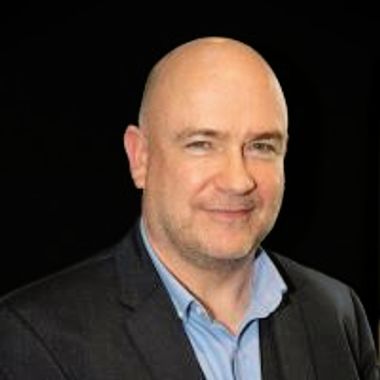
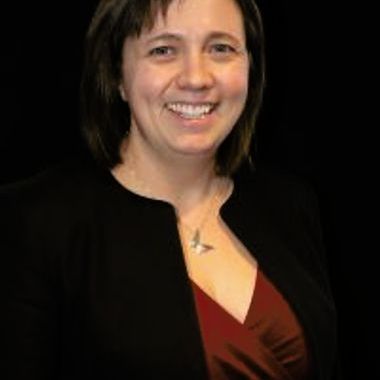
Finlay MacKenzie and Rachel Marrington are Consultant Clinical Scientists at Birmingham Quality (University Hospitals Birmingham NHS Foundation Trust).
Finlay has been involved in the design and delivery of UK NEQAS Clinical Chemistry EQA since 1987 and has been Director of Birmingham Quality for ten years.
One of Finlay’s greatest achievements was to take an idea from Gordon Challand and to work with him and with programmer Andy Robins to produce the UK NEQAS for Interpretative Comments infrastructure. Working with Advisors and Assessors colleagues, the Scheme was, and remains, unique in its approach to marking whole comments and not following rigid imposed marking schemes or parsing out component parts.

|
Dr Emma Stevenson is a Principal clinical scientist at Gloucestershire Hospitals NHS Foundation Trust. In the Association for Laboratory Medicine, Emma is the chair of the Biochemistry Education Group and Deputy director of Education, Training and Workforce. She is chairing the LabMedUK26 Training day. Within the laboratory, her current interests are vitamin B12 and Alzheimer’s disease biomarkers. Emma is Biochemistry Training Day Chair on Monday 8 June. |