Speakers
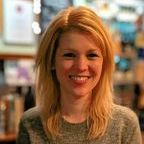
Emma Stevenson

Larisa Wiedemann
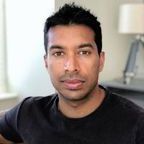
Daven Amin
Biochemistry and immunology training day - joint sessions
The LabMedUK26 Training Day is aimed at scientific and medical trainees up to FRCPath level. The sessions cover ‘not in the textbook’ topics that trainees may not have exposure to as part of their routine education and training.
The morning sessions will be run jointly with immunology. The first workshop will cover the practical skills we need to collaborate with other departments, essential skills for trainees as more and more projects involve stakeholders from outside of the laboratory. The second session will cover the crossover aspects of biochemistry and immunology, focussing on ‘tricky’ autoantibodies commonly performed in biochemistry, such as TPO, TRAb and intrinsic factor, followed by a session on the CSF kappa assay used in the investigation of multiple sclerosis.
The afternoon sessions for biochemistry trainees will be particularly useful as exam preparation. The first part of the afternoon is an RCPath Masterclass presented by RCPath examiners covering the Part 2 Module 1 OSPE and the Part 2 Module 2 viva. The final session of the day will be presented by UK NEQAS on their Interpretative Cases.
We look forward to welcoming you to the LabMedUK26 training day!
Collaboration in the workplace, Larisa Wiedemann, Daven Amin and Ellen Stephens
This interactive workshop session will explore what effective collaboration looks like within the unique environment of a pathology laboratory, where teamwork, communication, and accuracy are essential to high-quality outcomes. Participants will gain practical tips on how to initiate and contribute to collaborative projects, communicate clearly across roles and disciplines, share ideas respectfully, and work productively within diverse teams. The session will also highlight common collaboration pitfalls in laboratory settings—such as miscommunication, unclear responsibilities, and siloed work practices—and examine how these challenges can impact efficiency and outcomes.
Through real-life scenarios, guided discussions, and hands-on group activities, participants will build practical skills to recognise and overcome these challenges. The workshop aims to boost confidence in initiating collaborations, strengthen teamwork, enhance problem-solving abilities, and support a more connected and effective workplace culture. Participants will leave equipped with actionable, realistic strategies they can take back and implement in their own workspaces to improve collaboration and overall workplace success.
Learning outcomes: - tips on initiating collaborative projects
|
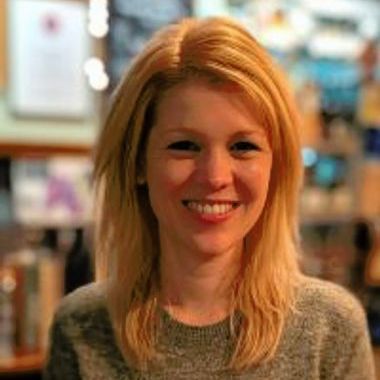
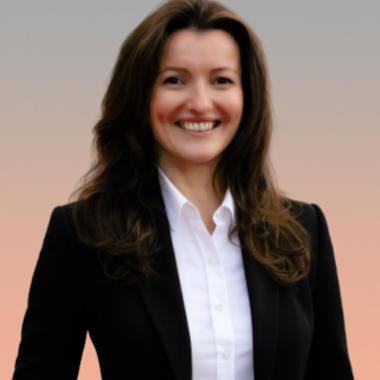
Dr Emma Stevenson is a Principal clinical scientist at Gloucestershire Hospitals NHS Foundation Trust. In the Association for Laboratory Medicine, Emma is the chair of the Biochemistry Education Group and Deputy director of Education, Training and Workforce. She is chairing the LabMedUK26 Training day. Within the laboratory, her current interests are vitamin B12 and Alzheimer’s disease biomarkers. Emma is Biochemistry Training Day Chair on Monday 8 June. |
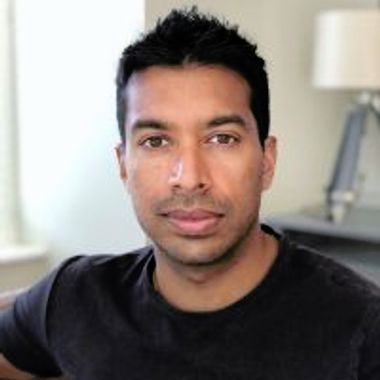
Daven Amin completed the Fellowship of the Royal College of Emergency Medicine in 2020 and was appointed as a Consultant in Emergency Medicine at Frimley Health NHS Trust having trained in the Oxford School of Emergency Medicine.
He is the Deputy chief of service for Emergency Medicine at Wexham Park Hospital having strategic, performance and finance responsibilities.
Since 2021 Daven is also the Deputy chief information officer for Emergency Medicine leading the design and implementation of the electronic health record and integrating new technologies to improve digital communication with patients and enhance clinical workflows.
Daven also has an interest in medicine in remote and austere environments. He is an Expedition doctor providing care and ensuring peak performance at high altitude and extremes of temperature and geographically remote areas.
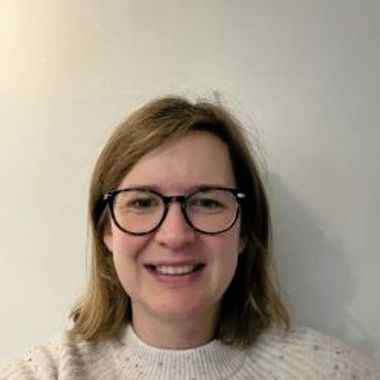
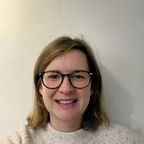
Ellen Stephens is a Clinical biochemist at Berkshire and Surrey Pathology Services. She has over 10 years experience in both NHS and overseas clinical biochemistry laboratories, and has achieved FRCPath.
With a keen interest in training, she is currently a Co-lead editor for the NSHCS Clinical Biochemistry STP curriculum.