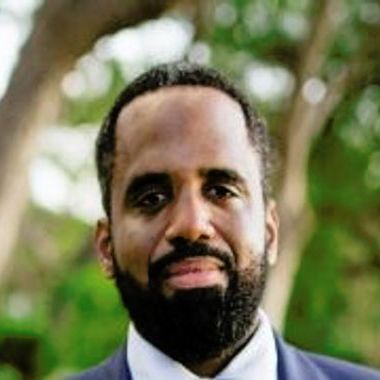
Chair, Alison Whitelegg
Monoclonal immunoglobulins, commonly referred to as paraproteins, are produced by clonal populations of plasma cells. These proteins are often associated with conditions such as multiple myeloma and Waldenström's macroglobulinemia and are known to interfere with routine biochemical tests. In this session, we will explore clinically significant cases of such interference and discuss how this phenomenon can be utilised to facilitate earlier detection of monoclonal proteins, ultimately enhancing patient outcomes.
Can routine blood tests be used to develop a clinical risk prediction model to detect cases of multiple myeloma sooner, Miguel Morales
Multiple myeloma (MM) is a malignancy of plasma cells associated with significant diagnostic delays. Earlier detection can improve outcomes, yet diagnosis is challenging due to non-specific symptoms and under-recognition in primary care. Laboratory testing plays a key role in identifying undiagnosed cases, with routine blood tests offering potential for earlier risk stratification. This thesis presents the development and internal validation of a clinical risk prediction model using routinely requested laboratory tests to support earlier MM detection.
Learning outcomes:
- Clinical risk prediction modelling.
Effect of paraproteins on bone metabolism investigations, Nathan Lorde
This presentation demonstrates the complexity of investigating patients with paraproteinaemia. Two cases will be used to illustrate how paraprotein interference led to concerns about possible metabolic disorders of calcium metabolism and how these were addressed practically.
Learning outcomes:
- Understanding of how paraprotein can lead to interference with the measurement of calcium and of immunoassays in the routine automated biochemistry laboratory.
IgM paraproteins: a “rare” interference in biochemical assays, Nicola Pullan
Paraproteins, particularly those of IgM isotype, are often reported as a potential source of analytical interference in manufacturers’ kit insert documentation for many automated biochemistry assays. Prevalence, magnitude of impact, and mechanism of action, however, is not well described. This presentation details a significant patient safety incident resulting from unrecognised IgM paraprotein interference in the Beckman-Coulter enzymatic creatinine assay. This encompasses a retrospective audit that was carried out to investigate the extent of the problem and discusses mitigations that laboratories can implement to reduce the risk of reporting erroneous enzymatic creatinine results.
Learning outcomes:
- Increased awareness of paraprotein interference in automated biochemistry assays, and in particular that the phenomenon may not be as rare as previously thought.
- Techniques to investigate for possible paraprotein interference.
×
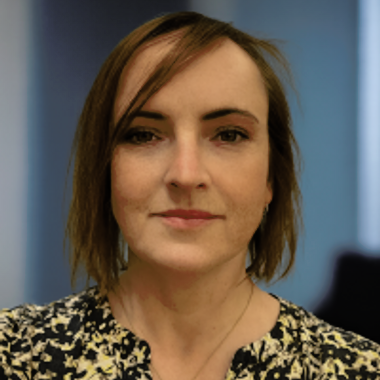
Alison Whitelegg
Alison Whitelegg is a Consultant clinical scientist in Immunology at University Hospital Southampton and the Immunology clinical lead at Portsmouth University Hospitals NHS Trust. She leads laboratory immunology services across both organisations, overseeing diagnostic pathways, service development, and the delivery of high-quality patient care.
Recently, Alison has been leading the practical rollout of the CSF kappa light chain index test for multiple sclerosis across the South 6 Pathology Network, helping bring this important diagnostic tool into routine clinical use.
Alison Whitelegg also plays a national leadership role as Chair of the Immunology Professional Committee, supporting the development and standards of Immunology Clinical Scientists across the UK. She has worked in the NHS for 20 years and remains committed to training and mentoring the next generation of clinical scientists.
Her academic background includes a PhD from the Pirbright Institute and postdoctoral research at the Anthony Nolan Research Institute, with a focus on T-cell and vaccine-specific immune responses.
×
Nathan Lorde
Nathan Lorde has served as a Consultant chemical pathologist at Heartlands Hospital, University Hospitals Birmingham since August 2025, having previously undergone Specialty training in the West Midlands region.
His interests at present lie in error detection in the Clinical Chemistry as well as in using laboratory data to support patients in evidence-supported cardiovascular risk reduction.
×
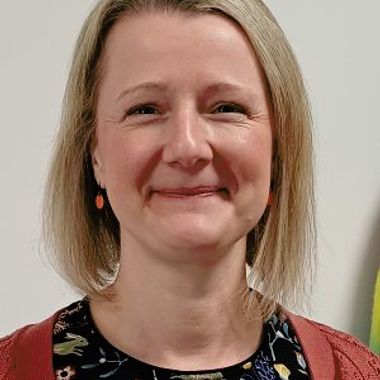
Nicola Pullan
Nicola Pullan is a Consultant clinical biochemist at the Royal United Hospital in Bath (RUH). Her scientific career began with a focus on molecular microbiology, with her PhD research looking at nitric oxide detoxifying proteins expressed by bacteria as a mechanism for pathogens to evade anti-microbial nitric oxide production by macrophages.
Following completion of her PhD at The University of Sheffield and a short Post-doctoral position at The John Innes Centre in Norwich, Nicola moved into the field of Clinical Biochemistry, completing training at Nottingham University Hospitals and Royal Derby Hospital.
Nicola then made her move to the Southwest, working as a Senior clinical scientist at Southmead Hospital in Bristol and then moving to the RUH in 2013. Her expertise has grown in the field of general biochemistry and quality management. Nicola is clinical lead for the RUH laboratory “myeloma screening” service. In addition, she chairs the local West of England Pathology Network technical biochemistry group facilitating collaboration between local biochemistry departments on technical aspects of laboratory services.