Speakers

Funmi Akinlade
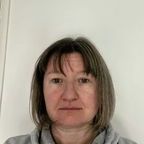
Emma English

Parizad Avari

Parallel session
Chair, Funmi Akinlade
This session will explore the latest data on a wide range of POCT devices for HbA1c, looking at analytical performance in laboratory evaluations and through EQA data. The session will also address key questions in the use of POCT, such as the role of POCT HbA1c in monitoring diabetes and explore its role in the diagnosis of diabetes. The session will address analytical issues with POCT HbA1c IVDs such as the impact of Hb Variants.
Learning outcomes:
This session reviews the role of continuous glucose monitoring (CGM) in modern diabetes care. The focus is to explain how CGM works, key metrics (including time in range, time below range and time above range), and how these support decisions beyond HbA1c. Evidence from trials and real world studies demonstrate improvement in glycaemic outcomes, reduction in hypoglycaemia, and improved quality of life in people with type 1 diabetes and insulin treated type 2 diabetes.
Learning outcomes:
The use of technology has improved the care of people with insulin treated diabetes. The advent of continuous glucose monitoring, insulin pumps and hybrid closed loops has revolutionised care. However, despite these technologies people with diabetes can still experience episodes diabetic ketoacidosis (DKA), a potentially life threatening condition. The emergence of the new technology of continuous ketone monitoring promises to be a step forward in the management of diabetes, with the devices allowing people to see in advance when ketone levels are rising, allowing them to take action to prevent the progression to DKA. This talk will go through the physiology and pathophysiology of ketones - why they hold an evolutionary advantage in some, and why they can be life threatening in others.
Learning outcomes:

Funmi Akinlade is a Consultant clinical scientist in Biochemistry at Barking, Havering, and Redbridge University Hospitals NHS Trust in London. In addition to her consultant role, she is the Pathology clinical lead for Clinical Governance and Audit. Her previous roles include Joint trust lead healthcare scientist and Chair of the National Quality Assurance Advisory Panel (NQAAP) in Chemical Pathology.
Funmi has a strong interest in HbA1c and played a key role in developing local guidance to support its interpretation and clinical use.
She also has a longstanding interest in clinical audit and governance. Funmi has been a longstanding member of the Thames Audit Committee for many years and has undertaken several audits, most recently leading a national audit on laboratory testing in diabetes.
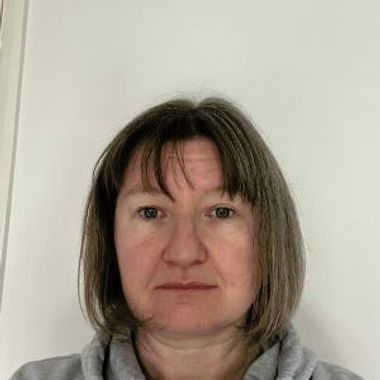
Having completed her PhD in biochemistry Emma undertook her clinical scientist training at Addenbrooke’s Hospital in Cambridge and holds HCPC registration. Emma is the Chair of an IFCC international education committee on diabetes biomarkers with a focus in LMICs. She is also a consultant to the WHO as well as other NGOs.
Emma is currently head of the Medicine, Health and Life Sciences portfolio at the University of Cambridge, Institute of Professional and Continuing Education. She has a broad experience of teaching and learning on a wide range of health programmes including, graduate entry medicine, biomedical science and dietetics.
She has held the role of Director of Postgraduate Research and currently chairs the Institutes Teaching and Learning committee.
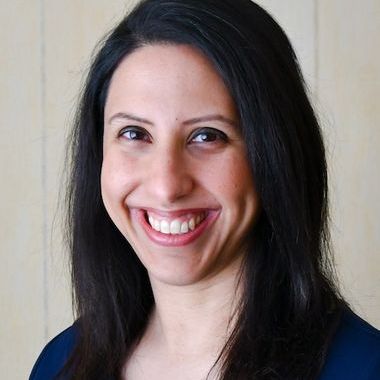
Parizad Avari is a Consultant diabetologist at Imperial College Healthcare NHS Trust and Honorary clinical lecturer at Imperial College London.
She completed her PhD evaluating a smartphone based real-time personalised decision support system for people with type 1 diabetes at Imperial College London in 2021. Her specialist interest lies within the field of diabetes, with a focus on use of innovative technologies for diabetes prevention and management in individuals at highest risk, including young adults, people in hospital, or those with renal impairment.
She is currently funded by the Global Health Research Unit to support digital interventions in the prevention of type 2 diabetes in South Asia.
She co-leads the Diabetes theme for improving care for people on dialysis and pre-renal transplantation across North West London funded by NHS England. She is the NIHR Regional research delivery network specialty lead for diabetes, endocrinology and metabolism for North London, and is a committee member of the Joint British Diabetes Societies for Inpatient Care (JBDS-IP) group and Diabetes UK Research Steering Group (for Acute Care).
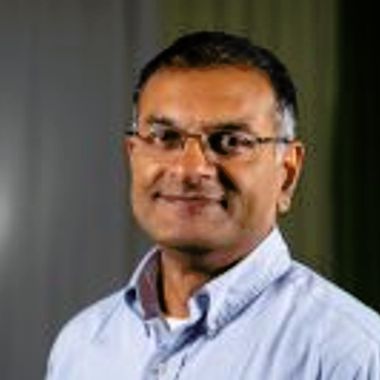
Ketan Dhatariya graduated from the University of London in 1991 and did his diabetes and endocrinology training in and around London. He was also a part time General practitioner and took some time out of his training to spend a year doing intensive care medicine and anaesthetics.
After finishing his training in 2001 he went to do a research fellowship in endocrinology at Mayo Clinic. He was appointed as a Consultant in diabetes, endocrinology and general medicine at the Norfolk & Norwich University Hospital in 2004, and Honorary Professor of Medicine at the University of East Anglia in 2019.
He has several national roles in the UK. He is the Chair of the Association of British Clinical Diabetologists and was also the Chair of the Joint British Diabetes Societies Inpatient Care Group. He is the Chair of the Examining Board for the UK Specialist Clinical Exam in Diabetes and Endocrinology. He is the Section co-editor for diabetes for www.endotext.org. He is also the Chair of the 2027 International Working Group for the Diabetic Foot guideline writing group for wound healing.
Ketan Dhatariya has over 230 peer reviewed publications and has published over 25 book chapters on inpatient diabetes, peri-operative diabetes care or on the diabetic foot.